
Return To Sport
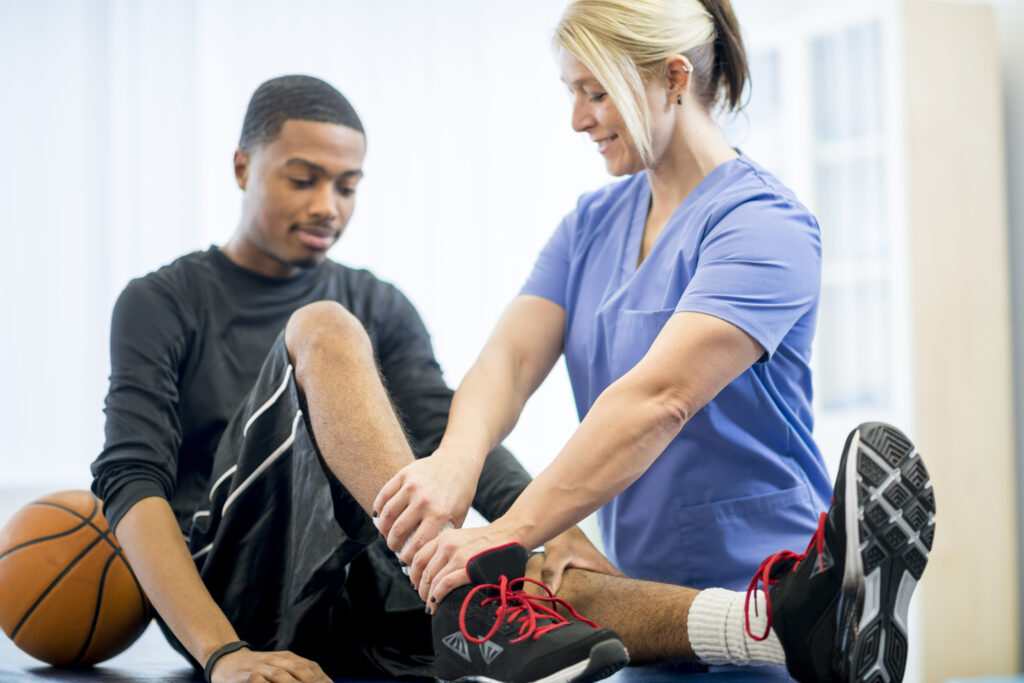
Introduction:Are you itching to get back on the field or court after an injury? Physical therapy can be a game-changer in helping you safely and effectively return to your favorite sports. In this blog, we’ll explore how physical therapy can support your journey back to sports and help you perform at your best. 1. Evaluation and Goal Setting:Before diving into your sports-specific training, a physical therapist will assess your injury, functional abilities, and goals. They’ll work with you to create a personalized treatment plan that addresses your specific needs and helps you regain strength, flexibility, and stability. 2. Rehabilitation Exercises:Physical therapy for returning to sports typically involves a combination of rehabilitation exercises. These exercises focus on improving strength, endurance, balance, and agility, targeting the specific muscles and movements required for your sport. Your therapist will guide you through a progressive program to gradually increase the intensity and complexity of the exercises. 3. Sport-Specific Training:As you progress in your rehab journey, your physical therapist will incorporate sport-specific training into your program. This may involve drills, simulations, and exercises that mimic the movements and demands of your sport. By practicing these activities under the guidance of your therapist, you’ll regain confidence and enhance your performance on the field. 4. Injury Prevention Strategies:Physical therapy not only helps you recover from an injury but also focuses on preventing future injuries. Your therapist will educate you on proper warm-up and cool-down techniques, stretching exercises, and strategies to improve your body mechanics and reduce the risk of reinjury. They may also provide guidance on appropriate footwear and equipment. 5. Return-to-Sport Testing:Before giving you the green light to return to your sport, your therapist may conduct specific assessments or functional tests to ensure you’re ready. These tests evaluate your strength, balance, agility, and sport-specific movements to determine if you’ve reached the necessary level of readiness. If needed, your therapist will make any necessary adjustments to your treatment plan to address any remaining weaknesses or imbalances. Conclusion:Physical therapy plays a crucial role in helping athletes successfully return to their sports after an injury. By working closely with a skilled therapist, you can rebuild strength, improve performance, and reduce the risk of future injuries. Remember to listen to your body, follow your therapist’s guidance, and gradually ease back into full participation. With dedication and proper care, you’ll be back to your sport as soon as possible.
TMJ/Jaw Pain
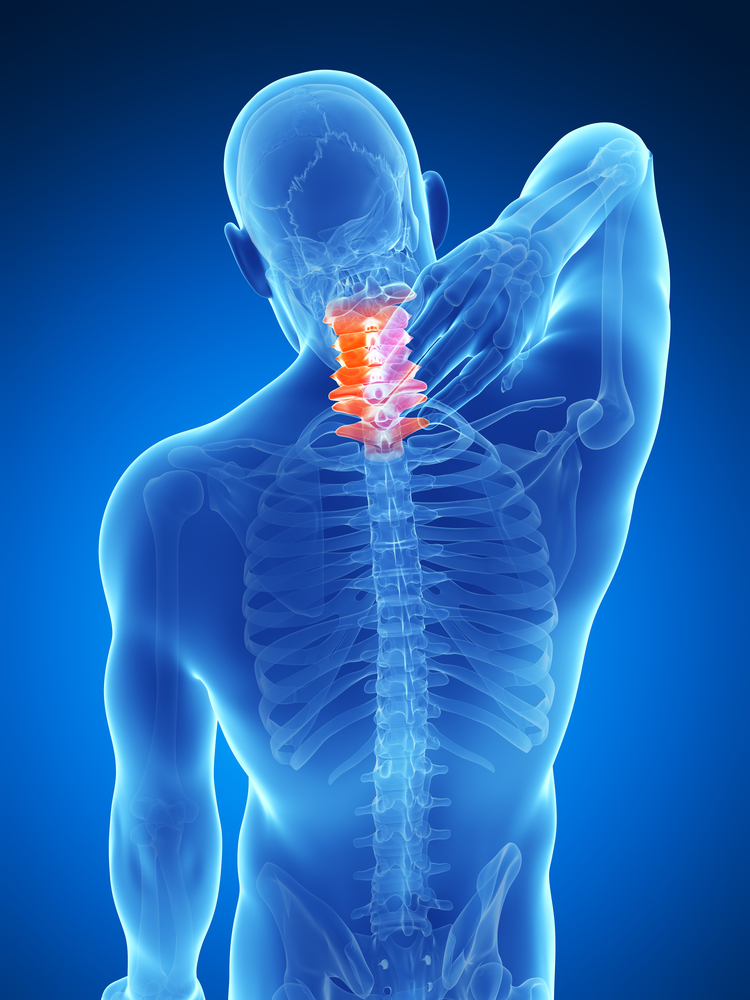
Introduction:Dealing with TMJ pain can be a real headache, but physical therapy might just be the solution you’ve been searching for. In this blog, we’ll explore how physical therapy can help alleviate TMJ pain and improve your overall quality of life. 1. Evaluation and Diagnosis:When you visit a physical therapist for TMJ pain, they will conduct a thorough evaluation to determine the underlying causes of your discomfort. They will assess your jaw movement, muscle strength, and joint mobility to identify any imbalances or dysfunctions. This evaluation helps create a personalized treatment plan tailored to your specific needs. 2. Manual Therapy Techniques:Physical therapists use various manual therapy techniques to alleviate TMJ pain. These techniques may include gentle mobilizations, soft tissue massage, and stretching exercises to improve joint mobility and reduce muscle tension. Manual therapy can help restore proper alignment and function of the jaw joint, providing relief from pain and discomfort. 3. Jaw Exercises:Physical therapists will guide you through specific exercises to strengthen and stretch the muscles involved in jaw movement. These exercises can help improve muscle coordination, increase jaw stability, and enhance overall jaw function. By incorporating these exercises into your daily routine, you can gradually reduce TMJ pain and improve your jaw’s range of motion. 4. Posture and Body Mechanics:Poor posture and body mechanics can contribute to TMJ pain. Physical therapists will educate you on proper posture and body mechanics to minimize stress on the jaw joint. They may also recommend ergonomic modifications to your work or daily activities to reduce strain on the jaw. By making these adjustments, you can prevent further aggravation of TMJ symptoms and promote healing. 5. Stress Management:Stress and anxiety often exacerbate TMJ pain. Physical therapists can teach you relaxation techniques, such as deep breathing exercises and mindfulness practices, to manage stress levels. By incorporating stress management techniques into your daily routine, you can reduce muscle tension and alleviate TMJ pain. 6. Education and Self-Care:Physical therapists play a crucial role in educating patients about TMJ pain and self-care strategies. They can provide guidance on proper nutrition, avoiding hard or chewy foods, and implementing self-care techniques like heat or cold therapy. By following these recommendations, you can support the healing process and prevent future TMJ flare-ups. Conclusion:Physical therapy offers a holistic approach to treating TMJ pain, addressing the root causes and providing effective relief. By working with a physical therapist, you can regain control over your TMJ symptoms and improve your quality of life.
The Benefits of Therapeutic Massage
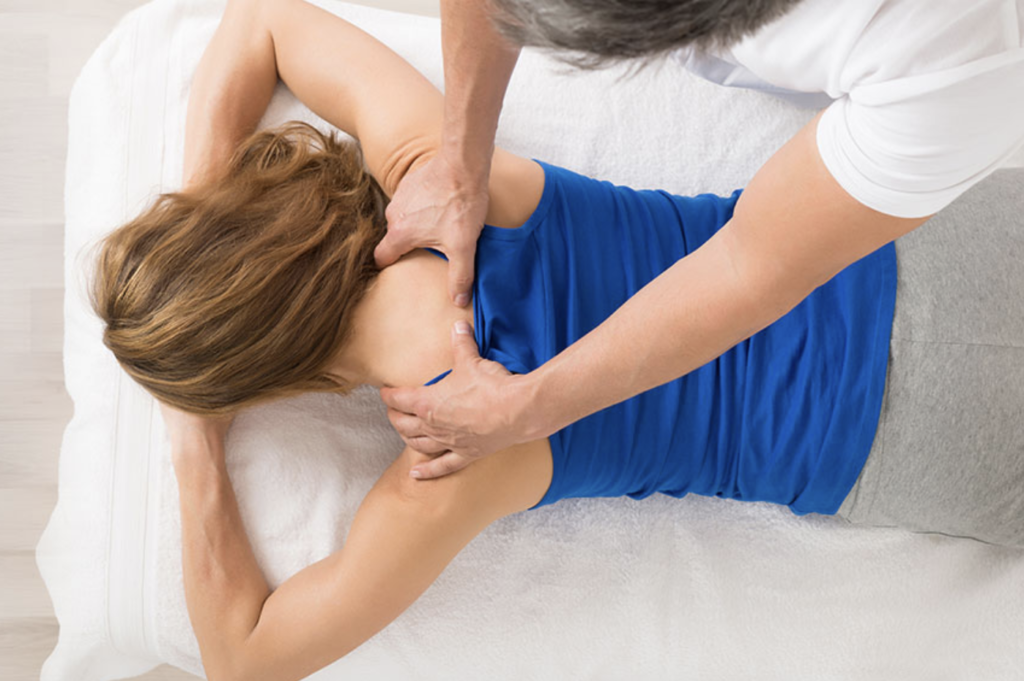
Therapeutic massage is gaining popularity as an effective treatment option for various physical ailments and injuries. Elite Physical Therapy and Performance, located in Clinton Township, Michigan, offers a wide range of therapeutic massages that provide numerous benefits to individuals seeking pain relief, relaxation, and improved overall health. Therapeutic Massage Helps With Pain Management One of the primary advantages of therapeutic massage is pain management. Elite Physical Therapy and Performance’s experienced massage therapists are skilled in techniques that target specific muscles, release tension, and alleviate pain. Whether someone is suffering from chronic pain due to conditions such as arthritis or fibromyalgia, or acute pain resulting from an injury or surgery, therapeutic massage can help reduce discomfort and promote faster healing. Therapeutic Massage Helps Relieve Stress Additionally, therapeutic massage has been proven to reduce stress and anxiety levels. The gentle touch, rhythmic movements, and soothing environment created during a massage session have a calming effect on the nervous system. As a result, the body’s production of stress hormones, such as cortisol, is reduced, leading to an increased sense of relaxation and overall well-being. This reduction in stress also supports better sleep patterns, higher energy levels, and improved mental clarity. Elite Physical Therapy and Performance also offers sports massage, which provides numerous benefits for athletes and active individuals. Regular sports massage sessions can enhance performance by improving flexibility, increasing blood circulation, and aiding in muscle recovery. By promoting the efficient removal of waste products, such as lactic acid, sports massage helps prevent muscle soreness, cramps, and fatigue. It also reduces the risk of injuries by targeting specific muscles and addressing imbalances that may lead to overuse injuries. Therapeutic Massage Impacts Mental and Emotional Well-Being In addition to physical health benefits, therapeutic massage can positively impact mental and emotional well-being. Massage therapy stimulates the release of endorphins, the body’s natural painkillers and mood enhancers. These feel-good hormones can counteract feelings of depression and boost overall happiness. Moreover, therapeutic massage helps foster a sense of connection and relaxation, allowing individuals to better cope with emotional stress and improve their overall quality of life. Elite Physical Therapy and Performance’s massage therapists are highly skilled professionals who customize each session to address the unique needs of their clients. They assess clients’ conditions, medical histories, and personal goals before designing a treatment plan that combines various massage techniques to achieve the desired outcomes. These techniques may include Swedish massage, deep tissue massage, trigger point therapy, myofascial release, and stretching, among others. Furthermore, therapeutic massage can have positive effects on the immune system. Studies have shown that regular massage sessions boost the body’s natural defense mechanisms, increasing the production of white blood cells and improving lymphatic function. This enhanced immune response can help prevent illness, reduce the severity of symptoms, and promote overall faster recovery. Overall, therapeutic massage offers numerous benefits, ranging from pain management and stress reduction to improved athletic performance and emotional well-being. Elite Physical Therapy and Performance’s massage services provide a comprehensive approach to healing and enhancing overall health. Whether someone is seeking relief from chronic pain, recovering from an injury, or simply looking to relax and unwind, therapeutic massage can be a valuable and rewarding experience. Contact Elite Physical Therapy and Performance today at 586-388-0016 to schedule your therapeutic massage. You will be glad you did when you reap the many physical and mental benefits it has to offer.