Cupping Therapy: A Holistic Approach to Healing
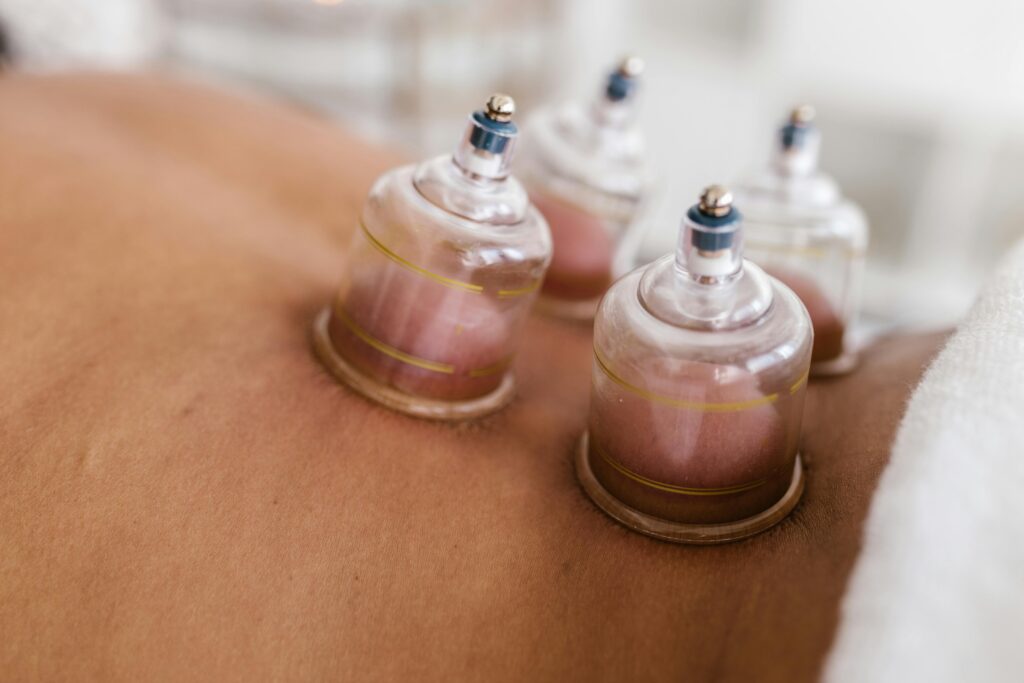
In the realm of holistic therapy, cupping therapy has been gaining significant attention for its potential to alleviate pain, improve circulation, and promote overall wellness. This ancient healing method, which has been practiced for thousands of years in cultures such as Traditional Chinese Medicine (TCM) and Middle Eastern medicine, offers a non-invasive and natural way to address a variety of physical ailments. At Elite Physical Therapy and Performance, we integrate cupping therapy as part of our holistic approach to helping clients achieve their wellness goals. In this blog, we will explore what cupping therapy is, its benefits, and how it can enhance your physical therapy experience. What is Cupping Therapy? Cupping therapy involves placing special cups on the skin to create a vacuum or suction effect. This suction pulls the skin and underlying tissues into the cup, which may cause the skin to redden or leave marks that resemble bruising. The cups can be made of various materials, including glass, bamboo, or silicone, and can be placed on different areas of the body depending on the specific condition being treated. There are two main types of cupping therapy: dry cupping and wet cupping. Dry cupping involves creating a vacuum inside the cup, which is then placed on the skin. Wet cupping, on the other hand, involves a slight incision to the skin before applying the cup, allowing for the release of small amounts of blood along with the suction. Both methods are used to promote circulation, relieve pain, and stimulate healing. The History of Cupping Therapy Cupping therapy has a rich history dating back over 3,000 years. It is an ancient healing method that was used in many different cultures, including ancient Egypt, Greece, and China. Early practitioners believed that cupping could help remove toxins from the body, improve the flow of energy (known as Qi in Chinese medicine), and restore balance to the body. The therapy was widely practiced by historical figures such as Hippocrates, who wrote about cupping in his medical texts, and it continues to be used in modern times by acupuncturists, physical therapists, and other holistic practitioners. In recent years, cupping has gained popularity in Western medicine, especially among athletes and those seeking alternative treatments for pain management and overall health. Benefits of Cupping Therapy One of the most well-known benefits of cupping therapy is its ability to reduce pain. Whether you’re dealing with chronic back pain, muscle soreness, or joint discomfort, cupping can provide relief by increasing blood circulation to the affected areas. This improved blood flow helps to nourish tissues, reduce inflammation, and promote the healing of injured muscles or joints. Cupping therapy offers a wide range of benefits for those seeking a holistic approach to healing. Here are some of the key advantages of incorporating cupping therapy into your wellness routine: Cupping therapy promotes the flow of blood and lymphatic fluid throughout the body. The suction created by the cups helps to draw blood to the surface of the skin, which enhances circulation and encourages the delivery of oxygen and nutrients to tissues. This improved circulation supports the body’s natural healing processes, which can be especially beneficial for individuals recovering from injuries or surgery. Cupping therapy is believed to support the body’s natural detoxification processes by drawing out toxins from the tissues and stimulating the lymphatic system. By encouraging the flow of lymph, cupping can help to remove waste products and excess fluids, promoting a healthier and more balanced body. The suction from cupping therapy helps to loosen tight muscles, reduce muscle spasms, and relieve tension. By targeting specific areas of muscle tightness, cupping can provide deep relaxation and improve flexibility. Many individuals find that cupping therapy is an effective treatment for conditions such as muscle stiffness, tension headaches, and even fibromyalgia. In addition to its physical benefits, cupping therapy has a calming effect on the body and mind. The relaxation that cupping induces can help to lower stress levels, reduce anxiety, and promote a sense of overall well-being. By improving circulation and alleviating tension, cupping encourages a state of relaxation that supports both physical and mental health. Cupping therapy is also believed to improve skin health by stimulating the production of collagen and increasing blood flow to the skin’s surface. This can promote healthier, more vibrant skin, reduce the appearance of scars, and even help with conditions such as acne or cellulite. Additionally, cupping is sometimes used to relieve symptoms of respiratory conditions such as asthma or congestion, as it can help to clear mucus from the lungs. Cupping Therapy in Physical Therapy At Elite Physical Therapy and Performance, we integrate cupping therapy into our treatment programs to enhance our patient’s rehabilitation and recovery. Cupping is a versatile tool that can complement other physical therapy services, helping to accelerate healing, reduce pain, and improve mobility. Whether you’re recovering from an injury, managing a chronic condition, or simply seeking relaxation, cupping therapy can be a valuable addition to your overall treatment plan. Our experienced physical therapists are trained in cupping therapy and will assess your specific needs to determine if this therapy is right for you. By incorporating cupping into your rehabilitation, you may experience faster recovery times, improved muscle function, and a reduction in pain and discomfort. Cupping therapy is an ancient healing method that offers a wide range of benefits for physical health and wellness. From pain relief and muscle relaxation to detoxification and stress reduction, cupping can support your body’s natural healing processes and improve your overall well-being. At Elite Physical Therapy and Performance, we are proud to offer cupping therapy as part of our holistic approach to rehabilitation and recovery. If you’re interested in learning more about cupping or how it can benefit you, contact us today to schedule a consultation and explore the potential of this powerful therapy.
Blood Flow Restriction Training: Unlocking the Benefits for Rehabilitation and Performance
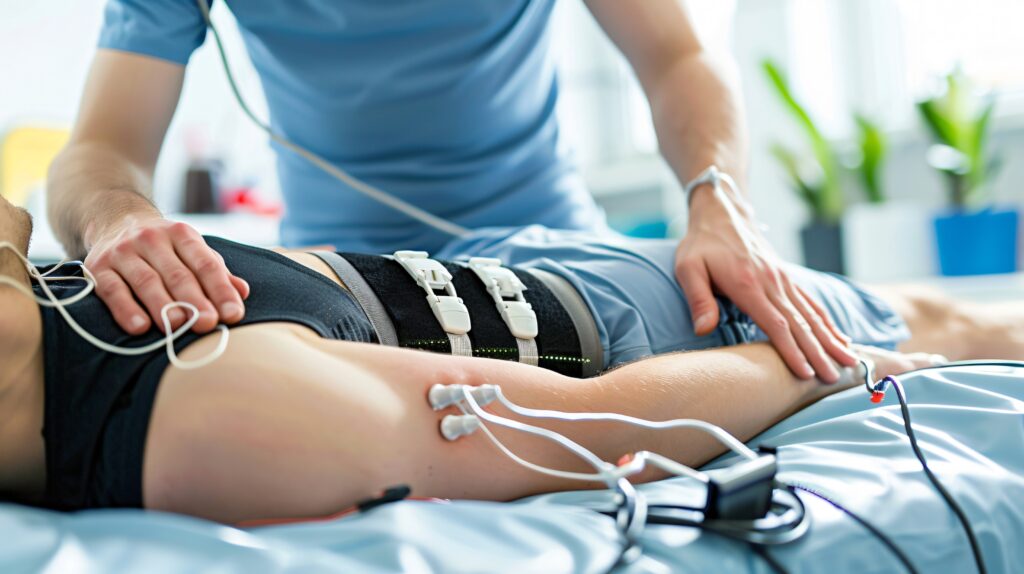
Blood Flow Restriction (BFR) Training has emerged as a highly effective method for enhancing strength, muscle growth, and rehabilitation, particularly in physical therapy and holistic therapy settings. Whether you’re recovering from an injury, working to improve athletic performance, or seeking a more efficient way to gain muscle strength without heavy lifting, BFR training can offer significant benefits. In this blog, we’ll explore what Blood Flow Restriction Training is, how it works, and how it can be a powerful tool in PT therapy and rehabilitation. What is Blood Flow Restriction (BFR) Training? Blood Flow Restriction Training (BFR) involves the use of specialized bands or cuffs that are placed around the upper or lower limbs to partially restrict venous blood flow while still allowing arterial blood to flow freely. The process creates a temporary “pooling” effect of blood in the muscles, increasing muscle fatigue and metabolic stress without the need for heavy weights or excessive resistance. This allows for effective training that mimics the benefits of traditional heavy resistance training but with significantly lighter loads. The training typically involves performing low-intensity exercises while wearing the BFR bands. The bands are inflated to a pressure that restricts blood flow but doesn’t completely cut it off. This reduced blood flow to the muscles results in a phenomenon known as metabolic stress, which triggers muscle growth and strength improvements. This method is particularly effective for people who are unable to lift heavy weights due to injury, surgery, or physical limitations. How Does BFR Training Work? BFR training works by creating an environment where the muscles are exposed to the same stress and stimulus as they would be during heavy resistance training, but without the risk of joint strain or injury. When the BFR bands are applied, they reduce the flow of oxygenated blood to the muscles, which causes the muscles to work harder and fatigue faster. This triggers the body’s natural response to increase muscle growth, strength, and recovery. During BFR training, the muscle experiences an accumulation of lactic acid and other metabolic byproducts, which play a crucial role in stimulating muscle fibers and increasing muscle size and strength. As a result, individuals can achieve substantial gains in muscle size and endurance while using much lighter weights. This makes BFR training ideal for those who may not be able to engage in high-intensity workouts due to injury or other physical constraints. Benefits of BFR Training in Physical Therapy and Rehabilitation One of the most significant benefits of BFR training is its ability to promote muscle growth and strength. Research has shown that BFR training can stimulate hypertrophy (muscle growth) even with light weights. This is particularly beneficial for individuals in rehabilitation or recovery who may not be able to perform high-resistance exercises due to injury. BFR training helps improve muscle strength and mass without placing excessive strain on the joints or tissues, allowing for safer and more effective rehabilitation. BFR training can significantly speed up the rehabilitation process for individuals recovering from injuries or surgeries. By promoting muscle growth and strength with minimal strain, BFR training helps individuals rebuild lost muscle mass and strength without putting too much stress on the injured area. This is especially beneficial for people who are unable to perform traditional strength training exercises during their recovery. Additionally, BFR training increases the release of growth factors and hormones like human growth hormone (HGH) and IGF-1, which play a crucial role in tissue repair and muscle recovery. This accelerated recovery process helps individuals return to normal activities and sports faster than traditional rehabilitation methods alone. BFR training doesn’t just build muscle mass; it also helps improve muscular endurance and cardiovascular performance. The increased metabolic stress and lactic acid buildup that occurs during BFR training promote the development of endurance fibers in the muscles, improving stamina over time. Whether you’re an athlete looking to improve your performance or someone looking to enhance overall fitness, BFR training can be a game-changer in boosting endurance. One of the key advantages of BFR training is that it allows individuals to experience the benefits of heavy resistance training without placing excessive strain on the joints. For those dealing with joint pain, arthritis, or recovering from surgery, traditional weightlifting may not be suitable due to the stress it places on the joints. BFR training, however, offers an alternative by using light weights with the same benefits of high-resistance training, making it an excellent option for those looking to avoid joint strain. BFR training enhances blood flow and promotes better circulation within the muscles. This is especially beneficial for individuals dealing with poor circulation or those who are rehabilitating after surgery or injury. The BFR bands help to stimulate blood flow, increase oxygen delivery to the tissues, and encourage the removal of metabolic waste products. This process promotes healing and reduces inflammation, which can aid in faster recovery. How BFR Training Fits Into Physical Therapy and Holistic Therapy At Elite Physical Therapy and Performance, we understand that rehabilitation is not a one-size-fits-all approach. That’s why we incorporate a wide range of techniques and therapies to help our clients reach their goals. BFR training is an excellent addition to PT therapy because it allows us to tailor the recovery process to the individual’s needs. Whether you are recovering from surgery, dealing with chronic pain, or seeking improved performance, BFR training can be adapted to suit your specific rehabilitation or fitness goals. BFR training can be used in combination with other physical therapy methods, such as manual therapy, stretching, and strengthening exercises, to provide a comprehensive treatment plan. It’s a safe and effective way to rebuild strength, enhance mobility, and accelerate recovery, all while minimizing the risk of injury or strain. Blood Flow Restriction Training is a powerful tool in the world of physical therapy, rehabilitation, and holistic therapy. By providing a safe and effective way to build strength, enhance endurance, and accelerate recovery, BFR training offers incredible benefits for individuals of all fitness levels. At Elite Physical Therapy and
The Benefits of Dry Needling: Unlocking Relief and Improving Performance
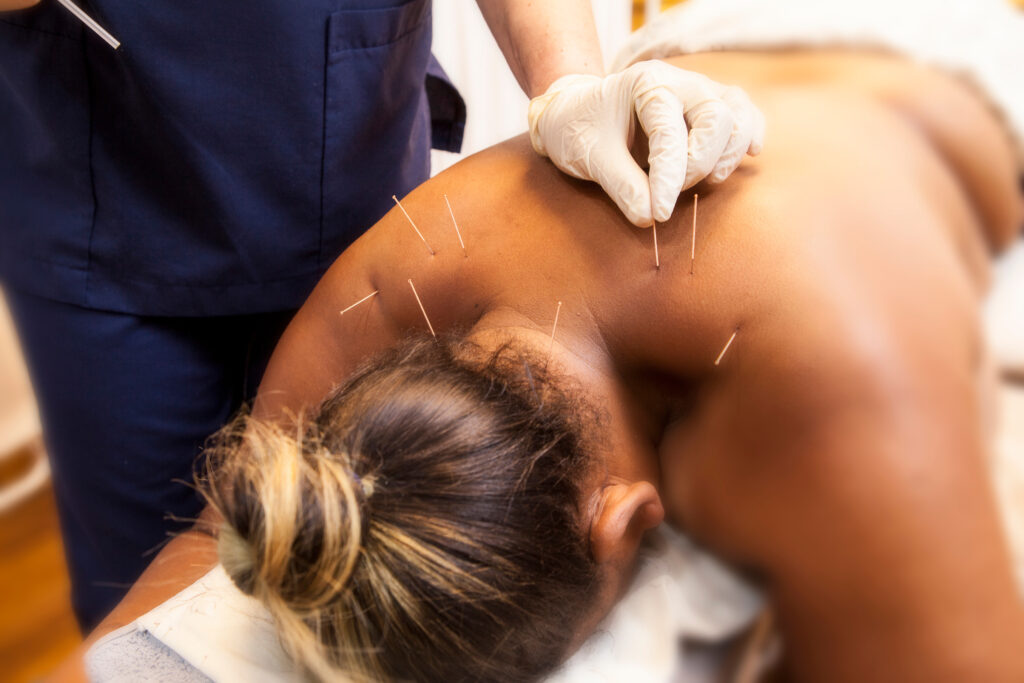
Dry needling is a powerful and effective therapy that is gaining popularity in the realm of physical therapy. It involves the insertion of fine needles into specific trigger points or muscle knots to help alleviate pain and improve muscle function. Often confused with acupuncture, dry needling is a modern technique based on Western medicine principles, focused on addressing musculoskeletal pain and dysfunction. Let’s dive into the benefits of dry needling and why it’s a beneficial treatment for those seeking relief from chronic pain, muscle tightness, and performance enhancement. 1. Effective Pain Relief One of the primary benefits of dry needling is its ability to provide fast and effective pain relief. By targeting trigger points or tight muscle bands, the needles stimulate the muscles and nervous system, promoting the release of pain-relieving endorphins. This process can result in significant pain reduction, providing immediate relief for patients who suffer from conditions like chronic back pain, neck pain, headaches, and myofascial pain syndrome. 2. Muscle Relaxation and Increased Flexibility Muscle tightness can cause discomfort and restrict movement, leading to reduced flexibility and range of motion. Dry needling helps release these tight knots, relaxing the muscles and improving their flexibility. This can be particularly helpful for individuals recovering from injuries, those with sports-related muscle strains, or anyone experiencing muscle stiffness due to overuse or poor posture. By targeting the muscle’s trigger points, dry needling helps reset the muscle fibers, promoting better circulation and oxygen flow to the area, which in turn helps increase overall flexibility and mobility. 3. Faster Recovery from Injury Athletes and active individuals often turn to dry needling to speed up the recovery process after an injury. Whether recovering from a strain, sprain, or overuse injury, dry needling accelerates the healing process by improving blood flow to the affected area. It also helps reduce swelling and inflammation by stimulating the body’s natural healing mechanisms. By addressing muscle imbalances and breaking up scar tissue, dry needling also promotes quicker rehabilitation and gets you back to your normal activities or sports faster. 4. Improved Performance Dry needling isn’t just for pain relief—it can also boost athletic performance. By loosening tight muscles, improving flexibility, and reducing pain, athletes are able to move more efficiently and perform better. Targeting trigger points in muscles that are overactive or underactive can help rebalance the body, leading to enhanced strength, endurance, and coordination. Additionally, dry needling can help alleviate the discomfort that comes with overtraining, ensuring that athletes can continue to train without experiencing muscle fatigue or the risk of injury. 5. Enhances Posture and Reduces Tension Poor posture is often a result of muscle imbalances, where certain muscle groups become overworked and others become weak. Dry needling can help release these imbalances by targeting and relaxing the tight, overworked muscles. This promotes better posture, helping to prevent back and neck pain and improving overall body alignment. Regular dry needling treatments can also help reduce tension and stiffness, particularly in the neck, shoulders, and lower back, areas that are commonly affected by poor posture or sitting for long periods. By relieving muscle tension and improving flexibility, dry needling can help keep your body in a more natural and comfortable position. 6. Minimal Side Effects and Quick Recovery One of the benefits of dry needling compared to other invasive treatments is its minimal risk of side effects. While some soreness at the needle insertion site may occur after treatment, it is typically mild and short-lived. Many patients experience immediate relief after a dry needling session, and most are able to return to their normal activities shortly after treatment. Unlike more invasive procedures like surgery, dry needling is a non-surgical, non-invasive option that allows individuals to avoid lengthy recovery times or potential complications. 7. Complementary to Other Physical Therapy Treatments Dry needling can be an effective complement to other physical therapy treatments. When used in conjunction with other modalities such as manual therapy, stretching exercises, and strength training, dry needling enhances the overall effectiveness of your rehabilitation plan. It can also be incorporated into a holistic therapy approach, addressing both physical and functional limitations for a well-rounded recovery. Physical therapists may recommend dry needling as part of a comprehensive treatment plan designed to address your specific needs, helping to maximize your recovery and prevent future injuries. Dry needling is a powerful, modern treatment that offers numerous benefits for anyone experiencing chronic pain, muscle tightness, or looking to improve their athletic performance. Whether you’re recovering from an injury, dealing with ongoing discomfort, or aiming to enhance your physical function, dry needling can provide relief and restore mobility. If you’re curious about how dry needling can help you or if you’re considering incorporating it into your physical therapy plan, consult with a licensed physical therapist to discuss how it may be beneficial for your specific needs. Experience the benefits of dry needling and unlock better muscle function, improved flexibility, and faster recovery with this innovative treatment.
Physical Therapy Benefits for Reducing Headaches
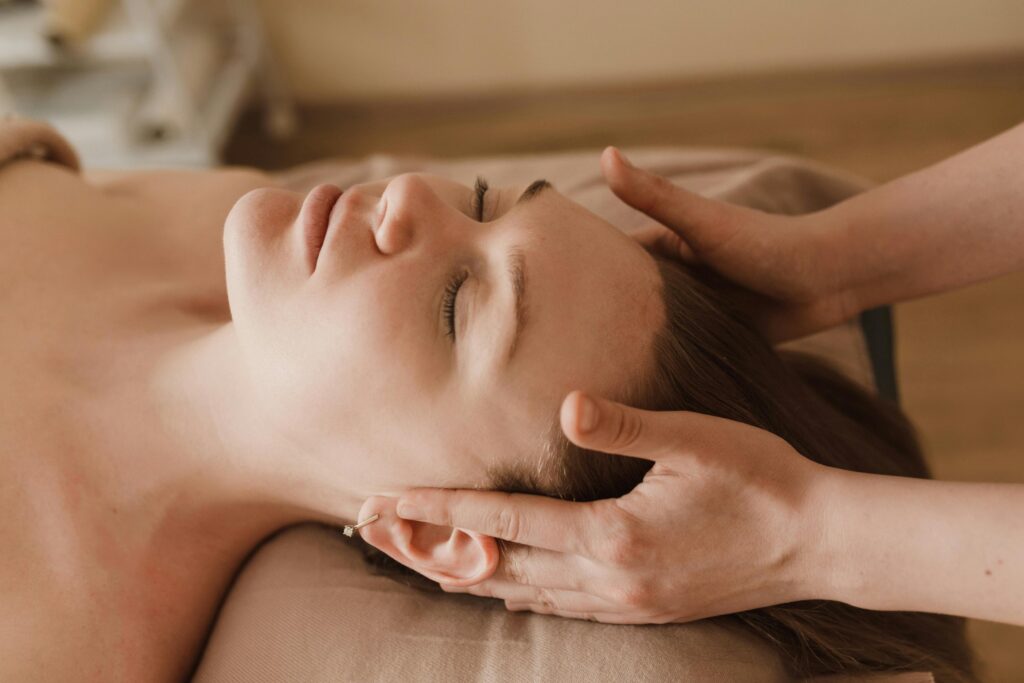
Headaches are one of the most common physical complaints, affecting millions of people worldwide. They can range from mild to severe and can significantly impact a person’s quality of life. While medication is often the go-to solution for many, physical therapy (PT) offers an effective, drug-free alternative for reducing and even eliminating certain types of headaches. Whether you suffer from tension headaches, migraines, or cervicogenic headaches, physical therapy can provide long-term relief and help you regain control of your life. 1. Identifying the Root Cause of Headaches One of the key benefits of physical therapy in treating headaches is its focus on identifying and addressing the underlying causes. Many headaches, especially tension headaches, stem from issues such as poor posture, muscle imbalances, and neck or spine misalignments. A physical therapist conducts a thorough evaluation to assess your posture, range of motion, and movement patterns to determine any musculoskeletal dysfunctions contributing to your headaches. By understanding the root cause of the headache, your physical therapist can develop a tailored treatment plan aimed at resolving the issue and preventing future episodes. 2. Reducing Muscle Tension and Tightness Muscle tension in the neck, shoulders, and upper back is one of the leading causes of tension headaches. This tension can be a result of poor posture, repetitive strain, or stress. Physical therapy uses a variety of techniques such as manual therapy, stretching, and strengthening exercises to relieve tight muscles and reduce tension. By targeting these muscle groups, physical therapy helps increase blood circulation, relieve stiffness, and restore flexibility. This approach not only alleviates the pain associated with headaches but also reduces the frequency and severity of future episodes. 3. Improving Posture and Spinal Alignment Postural problems, such as slouching or forward head posture, can place undue strain on the neck and upper back muscles, leading to tension headaches. Poor spinal alignment can also affect the nerves that control pain, which may contribute to headaches. Physical therapists are trained to identify postural issues and teach you how to correct them. With exercises that strengthen the muscles supporting the spine, along with manual therapy to improve spinal mobility, physical therapy helps restore proper posture and alignment. By improving your posture, PT can reduce the strain on your neck and upper back, preventing muscle tension that may lead to headaches. 4. Relieving Migraines through Trigger Point Therapy Migraines are a specific type of headache that can be triggered by factors such as stress, hormonal changes, or environmental stimuli. While migraines are often treated with medication, physical therapy can also play a vital role in reducing their frequency and severity. Trigger points—tight spots in muscles that can cause pain and referral patterns—are often involved in migraine attacks. Physical therapists can use techniques such as trigger point release, dry needling, and massage to alleviate these tension points. By releasing these trigger points, PT can help reduce the intensity of migraines and prevent them from becoming chronic. 5. Strengthening the Neck and Upper Back Muscles Weakness in the muscles supporting the neck and upper back can contribute to headaches, particularly cervicogenic headaches, which originate from the cervical spine (neck). Strengthening the muscles in these areas is an essential part of physical therapy treatment for headache relief. Your physical therapist will guide you through exercises that target these muscles to improve their strength and endurance. Stronger neck and upper back muscles can help maintain proper spinal alignment and reduce strain on the surrounding tissues. By stabilizing the neck and upper back, PT can significantly reduce the frequency of cervicogenic headaches. 6. Increasing Blood Flow and Oxygenation to the Brain Physical therapy techniques such as stretching, mobility exercises, and aerobic activities can improve blood circulation throughout the body, including to the brain. Improved blood flow ensures that the brain receives the oxygen and nutrients it needs to function properly. This is particularly important for individuals who experience chronic headaches, as reduced blood flow can contribute to headache pain. By incorporating aerobic exercises, manual techniques, and other physical therapy modalities, PT can enhance circulation and promote overall brain health, which may lead to a reduction in headache frequency and intensity. 7. Reducing Stress And Promoting Relaxation Stress is one of the most common headache triggers, particularly for tension headaches. Physical therapy incorporates relaxation techniques such as deep breathing, guided imagery, and mindfulness to help reduce stress levels. By teaching patients how to relax their bodies and manage stress, PT helps to prevent the tension and muscle stiffness that can lead to headaches. Additionally, physical therapists may guide patients in using exercises and techniques that promote relaxation in the neck, shoulders, and upper back, which can directly help alleviate headache symptoms. 8. Providing Long-Term Relief and Prevention One of the most significant benefits of physical therapy for headaches is that it offers long-term relief and prevention. Unlike medications that only mask the symptoms temporarily, physical therapy addresses the root causes of headaches and provides lasting solutions. By correcting musculoskeletal imbalances, improving posture, and teaching stress management techniques, PT helps prevent the recurrence of headaches. Additionally, physical therapy provides patients with the tools and exercises they need to maintain a healthy posture, reduce muscle tension, and manage stress, ensuring that headaches become less frequent and less intense over time. Physical therapy is an excellent option for individuals who suffer from chronic or recurrent headaches. By targeting the root causes of headaches, improving posture, reducing muscle tension, and providing effective pain management techniques, physical therapy can offer long-term relief. If you are tired of relying on medication for headache relief and want to address the underlying issues that contribute to your pain, physical therapy may be the solution you need. Consult with a physical therapist to learn more about how physical therapy can help you reduce or even eliminate headaches, allowing you to live a pain-free, active life.
Physical Therapy for Return-to-Work Training
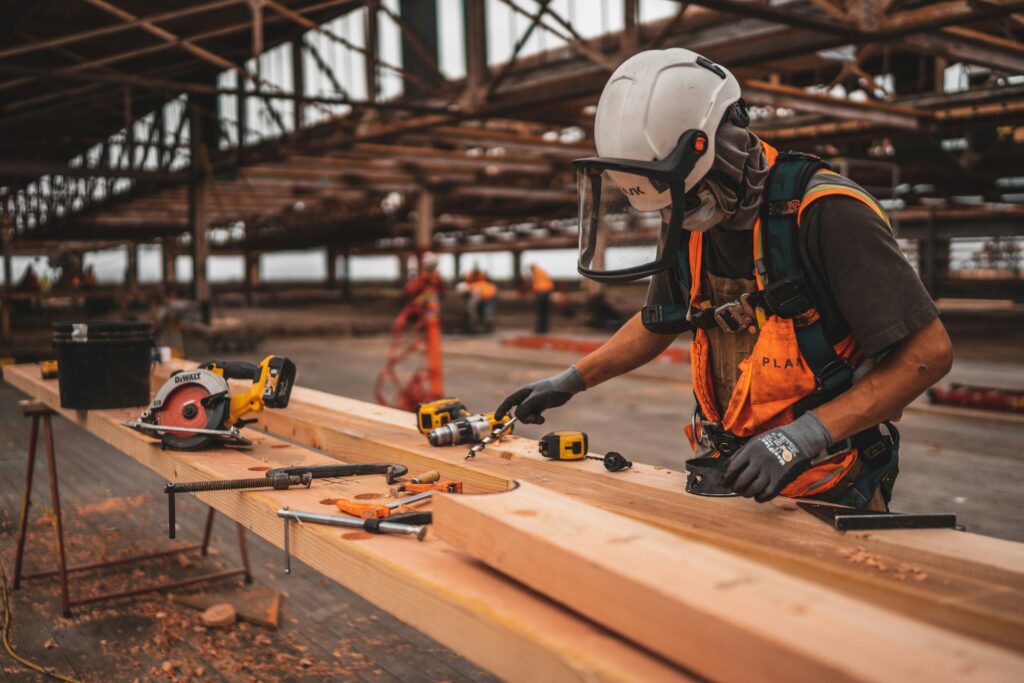
Returning to work after an injury or prolonged illness can be a daunting process. It requires more than just physical recovery; it involves rebuilding strength, flexibility, and confidence to ensure you can perform your job safely and effectively. Whether you’ve been sidelined by a musculoskeletal injury, surgery, or another condition, physical therapy (PT) plays a crucial role in the return-to-work process. By focusing on functional rehabilitation, pain management, and improving overall physical conditioning, physical therapy helps individuals transition back to work in a safe and sustainable way. 1. Customized Rehabilitation Plans One of the primary ways physical therapy supports return-to-work training is by developing customized rehabilitation plans. After an injury or illness, every individual’s recovery needs are unique. A physical therapist (PT) will evaluate your specific condition, job requirements, and overall physical abilities to create a personalized treatment plan that focuses on addressing your weaknesses and limitations. These plans include a combination of therapeutic exercises, manual therapy, posture correction, and functional movements designed to mimic the activities required for your specific role. For example, if you work in construction or warehousing, the therapist may incorporate weightlifting or lifting techniques to help build strength and ensure proper lifting form. On the other hand, someone working in an office may need exercises focused on improving posture and ergonomics to prevent strain from long hours at a desk. 2. Gradual and Safe Return to Activity One of the key concerns when returning to work after an injury is avoiding re-injury or overexertion. Physical therapists ensure that you gradually return to your work duties by assessing your tolerance to physical activity and guiding you through a progressive increase in workload. This approach helps reduce the risk of reinjury, fatigue, or exacerbating the existing condition. The therapist will collaborate with your employer or HR department to design a plan that allows you to ease back into your work responsibilities. This plan may include modified duties or a reduced work schedule at first, slowly increasing intensity and duration as your body adjusts and strengthens. By pacing the return-to-work process, PT provides a structured, safe way to reintegrate into the workforce while prioritizing recovery. 3. Pain Management and Symptom Reduction Pain management is an essential part of the rehabilitation process. Physical therapy helps reduce pain and inflammation associated with injuries or surgeries through various methods, including: By effectively managing pain and symptoms, physical therapy enables you to return to work without discomfort or limitations, making the transition smoother. 4. Ergonomic Education and Job-Specific Training Proper ergonomics are critical for preventing future injuries when returning to work. Many injuries occur due to improper body mechanics or posture, whether lifting heavy objects, typing for extended periods, or performing repetitive motions. Physical therapists educate patients on how to adjust their workspace, workstation setup, and work habits to promote better posture, reduce strain, and prevent injury. For manual laborers or those in physically demanding jobs, physical therapists teach safe lifting techniques and body mechanics to avoid back or joint injuries. For office workers or those in sedentary roles, ergonomic training may include adjusting desk height, chair settings, and posture tips to prevent musculoskeletal strain. By incorporating these preventive measures into your work routine, you can improve comfort and productivity while reducing the risk of further injury. 5. Improving Strength, Flexibility, and Endurance Physical therapy helps rebuild overall physical fitness, targeting strength, flexibility, and endurance to make sure you can perform your job duties effectively. Many jobs require certain physical demands, such as lifting, walking, bending, or standing for extended periods. PT ensures that your body is prepared for these activities and can handle them without injury. A physical therapist will guide you through specific exercises to restore strength in weakened areas, improve flexibility for better movement, and enhance endurance to perform physical tasks for longer periods. Improving your physical capacity allows for better performance at work and minimizes the risk of further injury when performing daily work tasks. 6. Monitoring Progress and Adjusting Goals Throughout the return-to-work process, physical therapists closely monitor your progress and make necessary adjustments to your treatment plan. Recovery is not always linear, and as you return to work, you may face new challenges or encounter obstacles. Your PT will regularly assess your progress, making modifications to your exercises and treatment plan based on your response to the rehabilitation process. If new pain or limitations arise, your therapist will adjust the program to ensure you’re not pushed too hard but still progressing toward your goal of returning to work. By continuously evaluating and fine-tuning the approach, physical therapy supports a sustainable recovery, helping you stay on track for a successful return to work. 7. Building Confidence in Your Abilities Beyond physical recovery, returning to work after an injury or illness also requires a mental and emotional adjustment. Many individuals worry about re-injuring themselves or whether they will be able to meet the demands of their jobs. Physical therapy not only helps restore physical strength and mobility but also plays a crucial role in rebuilding confidence. Through careful rehabilitation and gradual exposure to work tasks, you can rebuild trust in your body’s ability to perform tasks without fear of injury. Physical therapists work closely with patients to instill a sense of empowerment and self-assurance, helping to overcome any psychological barriers to returning to work. Physical therapy is a critical component in the return-to-work process, offering comprehensive support for those recovering from injury or surgery. By providing personalized rehabilitation plans, pain management strategies, ergonomic education, and job-specific training, physical therapy ensures that you return to work safely, effectively, and with the strength and confidence needed to perform your job duties. If you’ve been injured and are planning to return to work, consulting with a physical therapist can help guide your recovery and set you up for long-term success in the workplace.
How Physical Therapy Can Help Me Avoid Surgery
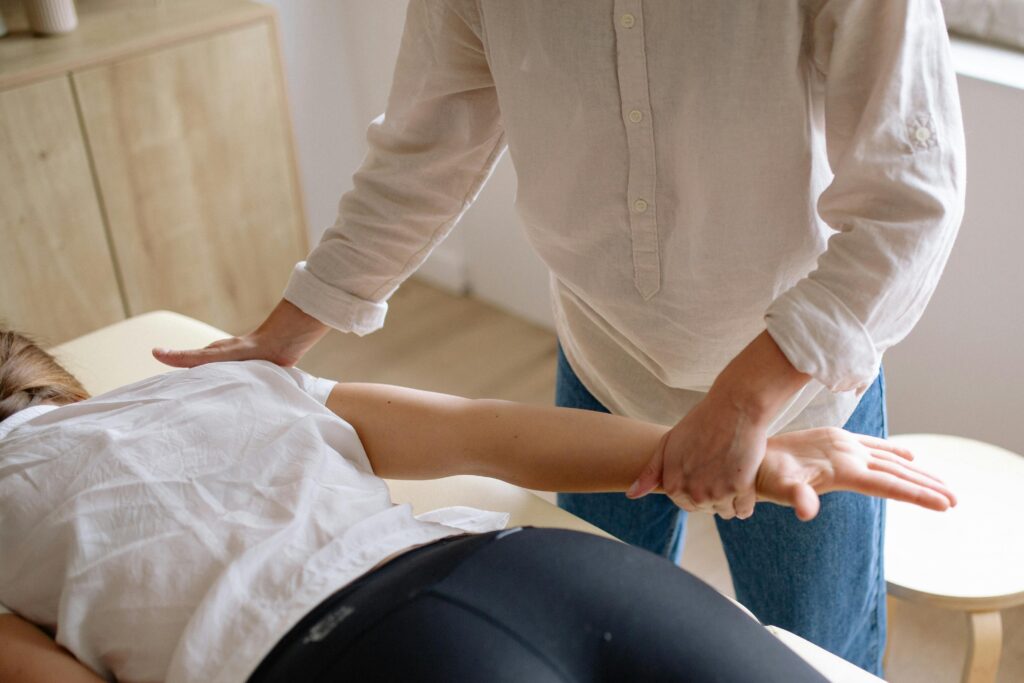
When faced with chronic pain or a musculoskeletal injury, surgery may seem like the only option for relief. However, many individuals may be unaware that physical therapy (PT) can provide an effective alternative to surgery. At Elite Physical Therapy and Performance, we specialize in offering therapy services that can help alleviate pain, improve movement, and restore function without the need for invasive procedures. Our experienced physical therapists work with you to create a personalized treatment plan that targets the underlying causes of your pain and helps you avoid the need for surgery. Understanding Physical Therapy and Its Benefits Physical therapy is a healthcare specialty that focuses on the treatment of musculoskeletal injuries, chronic conditions, and rehabilitation. Through a combination of hands-on techniques, therapeutic exercises, and modalities such as heat, cold, or electrical stimulation, a physical therapist helps patients manage pain, increase mobility, and regain strength. PT is often used to treat a wide variety of conditions, from post-surgical recovery to injuries related to sports or daily activities. One of the primary goals of physical therapy is to address the root cause of your pain, which may involve strengthening muscles, improving flexibility, or correcting poor posture and movement patterns. By working with a skilled physical therapist, you can improve your body mechanics and function, which may help prevent the need for surgery in the future. How Physical Therapy Can Help You Avoid Surgery One of the most significant advantages of physical therapy is that it offers a non-invasive approach to pain relief. Whether you’re suffering from joint pain, muscle stiffness, or a sports injury, physical therapists use manual techniques to target and relieve muscle tension, reduce inflammation, and restore proper function to affected areas. Unlike surgery, which requires anesthesia, recovery time, and potential risks, physical therapy provides a conservative approach that can effectively manage pain without invasive procedures. Physical therapists focus on strengthening the muscles around affected joints or areas of discomfort. By improving muscle strength, you can help stabilize your joints and prevent further injury. In many cases, surgery may be considered when a joint is weak or unstable, but physical therapy can often achieve the same results by restoring muscle function and improving joint stability. Therapeutic exercises prescribed by your physical therapist target specific muscle groups and promote joint mobility. With consistent therapy sessions, you can regain flexibility and improve your range of motion, which can help alleviate pain and prevent the need for surgery. Joint replacement surgeries, such as hip or knee replacements, are often performed when arthritis or injury leads to significant joint degeneration. However, physical therapy can delay or even prevent the need for joint replacement by strengthening the muscles that support the joint and improving function. Physical therapists teach patients strategies to move and perform daily activities without putting excessive strain on the joints. With proper care and strengthening exercises, patients can manage their joint pain and avoid surgery. For some individuals, surgery may still be necessary to repair a damaged area. However, physical therapy plays a crucial role in rehabilitation after surgery, helping patients recover faster and with fewer complications. If you have recently undergone surgery, a physical therapist can help guide you through the recovery process with a structured program to improve strength, flexibility, and mobility. Additionally, PT after surgery can help minimize the risk of complications such as scar tissue formation or muscle atrophy. A tailored rehabilitation program ensures that you regain full function and range of motion in the shortest time possible, making it less likely that you will require additional surgeries or interventions in the future. Sometimes, pain is caused by poor posture or improper movement patterns that place undue stress on muscles and joints. Physical therapists are skilled at assessing and correcting faulty biomechanics to prevent further injury. By teaching you how to move properly and maintain good posture, physical therapy can reduce the strain on vulnerable areas and help you avoid surgery. Every individual is unique, and so are their pain patterns and physical limitations. At Elite Physical Therapy and Performance, we work closely with each patient to create a personalized treatment plan that addresses their specific needs. Whether you’re dealing with back pain, sports injuries, or arthritis, our physical therapists will assess your condition and develop a targeted approach to help you avoid surgery. In addition to helping with immediate pain relief, physical therapy provides long-term benefits that can prevent future injuries and reduce the likelihood of needing surgery. Through education, self-care techniques, and ongoing exercises, physical therapy empowers patients to take control of their health and maintain an active lifestyle. By learning how to properly care for your body and prevent overuse or strain, you can significantly reduce the risk of needing invasive treatments in the future. Physical therapy offers a conservative and effective approach to treating a variety of musculoskeletal conditions without the need for surgery. By working with a physical therapist, you can manage pain, improve strength, restore mobility, and prevent further injury. Whether you’re recovering from an injury or dealing with chronic pain, physical therapy can be a valuable tool to help you avoid surgery and regain a healthy, active lifestyle. At Elite Physical Therapy and Performance, we are committed to helping you achieve your goals and improve your quality of life through tailored therapy services. Contact us today to learn more about how physical therapy can help you avoid surgery and enhance your overall health and well-being.
The Transformative Benefits of Physical Therapy for Low Back Pain
Introduction: Low back pain is a pervasive issue that affects millions of people worldwide, impacting their quality of life and daily activities. Whether it stems from injury, poor posture, or sedentary lifestyles, the discomfort and limitations it imposes can be daunting. However, amidst the struggle, there’s a beacon of hope: physical therapy. In this blog post, we’ll explore the remarkable benefits that physical therapy offers in alleviating low back pain, empowering individuals to reclaim their mobility and vitality. Understanding Low Back Pain: Before delving into the solutions, it’s essential to grasp the complexity of low back pain. It can arise from various sources, including muscle strain, herniated discs, arthritis, or spinal stenosis. Factors like poor posture, obesity, and sedentary behavior often exacerbate the condition, creating a vicious cycle of discomfort and debilitation. The Role of Physical Therapy: Physical therapy emerges as a cornerstone in the management and treatment of low back pain. Unlike quick fixes that mask symptoms temporarily, physical therapy aims for long-term solutions by addressing the root causes of discomfort. Through tailored exercises, manual therapy, and patient education, physical therapists design comprehensive treatment plans that target specific issues and promote healing. Benefits of Physical Therapy for Low Back Pain: Conclusion: In the battle against low back pain, physical therapy emerges as a beacon of hope, offering holistic solutions that address the root causes of discomfort and empower individuals to reclaim their mobility and vitality. By harnessing the transformative benefits of tailored exercises, manual therapy, and patient education, physical therapy not only alleviates pain but also fosters long-term resilience and well-being. If you’re grappling with low back pain, consider consulting a physical therapist to embark on a journey towards healing and renewed vitality.
#1 Sports Performance and Recovery Place
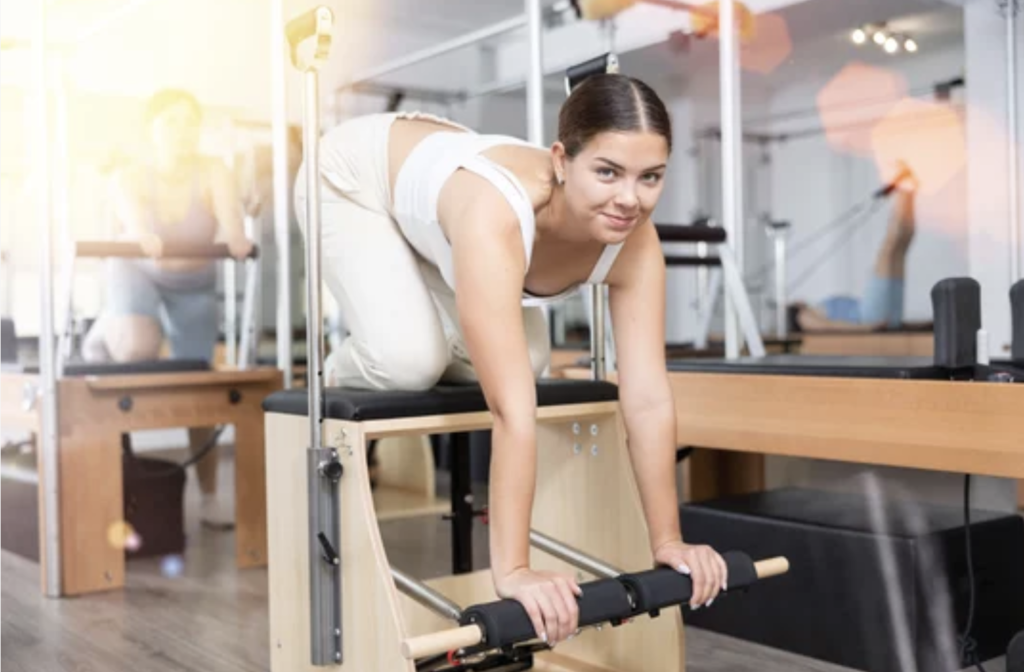
Elite Physical Therapy and Performance is the highly regarded destination in Clinton Township for individuals seeking exceptional sports performance and recovery therapy. With its unrivaled expertise, state-of-the-art facilities, and personalized approach, Elite Physical Therapy and Performance has established itself as the ultimate choice for athletes, sports enthusiasts, and active individuals looking to improve their performance and recover from injuries. Expertise in Sports Performance One of the key factors that set Elite Physical Therapy and Performance apart is its unparalleled expertise in sports performance. The center houses a team of dedicated physical therapists, strength and conditioning specialists, and sports performance trainers who possess a deep understanding of the unique needs and demands of athletes. Whether it’s optimizing performance for competitive athletes or helping weekend warriors enhance their abilities, the team at Elite Physical Therapy and Performance takes a progressive and evidence-based approach to sports performance enhancement. Sports Performance and Recovery Therapy Excellence Elite Physical Therapy and Performance is also renowned for its excellence in sports performance and recovery therapy. The team of skilled therapists is highly experienced in working with athletes recovering from various sports-related injuries, including ligament tears, muscle strains, and joint sprains. With their extensive knowledge and advanced techniques, the therapists at Elite Physical Therapy and Performance devise specialized recovery programs that promote efficient healing, pain relief, and restoration of function. Their primary goal is to facilitate a safe and timely return to sport or physical activity, enabling athletes to get back in the game stronger than before. Cutting-Edge Facility At Elite Physical Therapy and Performance, athletes have access to a cutting-edge facility designed to meet their performance and recovery needs. The center features state-of-the-art equipment, such as specialized strengthening machines, treadmill analysis systems, and agility training tools. With a spacious and well-equipped facility, Elite Physical Therapy and Performance ensures athletes can engage in tailored exercises and activities to enhance their performance while providing a comfortable and supportive environment for recovery. Elite’s Individualized Approach An important aspect that makes Elite Physical Therapy and Performance stand out is its individualized approach to sports performance and recovery therapy. The team takes the time to fully understand each athlete’s goals, current ability, and unique challenges. They conduct comprehensive assessments and evaluations to identify areas for improvement, potential injury risks, and personalized treatment strategies. By tailoring treatment plans and workout regimens specific to each athlete’s needs, Elite Physical Therapy and Performance optimizes results and ensures that athletes achieve their peak performance potential. Our Comprehensive Services Elite Physical Therapy and Performance offers a comprehensive range of services dedicated to sports performance and recovery therapy. From injury prevention and rehabilitation to performance enhancement and fitness conditioning, the center covers all aspects of an athlete’s needs. The team collaborates closely with each athlete, providing expert guidance, education, and support throughout their journey. Additionally, they offer performance testing, sport-specific training programs, and specialized rehabilitation techniques to address the unique demands of different sports and activities. Elite Physical Therapy and Performance also offers sports massage, which provides numerous benefits for athletes and active individuals. Regular sports massage sessions can enhance performance by improving flexibility, increasing blood circulation, and aiding in muscle recovery. By promoting the efficient removal of waste products, such as lactic acid, sports massage helps prevent muscle soreness, cramps, and fatigue. It also reduces the risk of injuries by targeting specific muscles and addressing imbalances that may lead to overuse injuries. Elite Physical Therapy and Performance is undeniably the go-to destination in Clinton Township for athletes and individuals seeking top-quality sports performance and recovery therapy. With their expertise, state-of-the-art facilities, individualized approach, and comprehensive services, Elite Physical Therapy and Performance empowers athletes to excel in their sport, recover effectively, and reach new levels of performance.
Macomb County’s Premier Orthopedic Physical Therapy Center

Elite Physical Therapy and Performance stands out as the ultimate destination for orthopedic physical therapy in Macomb County. With its expert team, state-of-the-art facilities, and personalized approach, it has established a reputation for being the go-to place for individuals seeking optimal recovery, performance enhancement, and results-driven physical therapy. Orthopedic Physical Therapy – Expertise and Specialization One of the key reasons that sets Elite Physical Therapy and Performance apart is its specialization in orthopedic physical therapy. The center boasts a team of highly qualified and trained physical therapists who specialize in addressing a variety of orthopedic conditions and injuries. Whether it’s recovery from a sports-related injury, post-surgery rehabilitation, or chronic pain management, the team at Elite Physical Therapy and Performance possesses the knowledge and expertise to develop customized treatment plans tailored to individual needs. Elite Physical Therapy and Performance’s State-of-the-Art Facility Elite Physical Therapy and Performance takes pride in offering cutting-edge facilities and equipment that enable patients to receive the best possible care. With access to state-of-the-art rehabilitation equipment, advanced modalities, and spacious treatment areas, patients can expect the highest level of comfort and convenience during their therapy sessions. The center’s commitment to providing a well-equipped facility ensures that patients receive top-notch care for their orthopedic conditions. Dr. Michael Fowler’s Personalized Approach Every patient at Elite Physical Therapy and Performance receives a personalized and individualized approach to their therapy. Dr. Michael Fowler and his team believe in treating each patient as a unique individual with specific needs and goals. By conducting thorough evaluations and assessments, they are able to develop personalized treatment plans that address the underlying causes of the condition, rather than simply focusing on symptom management. This tailored approach ensures that patients receive targeted treatment strategies for faster recovery and long-term relief. Elite PTs Comprehensive Services Elite Physical Therapy and Performance offers a comprehensive range of services, covering a wide spectrum of orthopedic and sports-related conditions. From pre and post-operative rehabilitation to joint pain management, and athletic performance enhancement to injury prevention, the center provides a holistic approach to orthopedic physical therapy. Their well-rounded team of physical therapists, strength and conditioning specialists, and other healthcare professionals collaboratively work together to deliver top-quality care and guide patients throughout their recovery journey. Benefits of Orthopedic Physical Therapy Orthopedic physical therapy, provided by Elite Physical Therapy and Performance, offers numerous benefits for individuals experiencing musculoskeletal conditions and injuries. Firstly, it aims to alleviate pain, increase flexibility, and enhance mobility, allowing individuals to regain their independence and function optimally. The customized exercises, manual therapy techniques, and other modalities employed by the therapists not only promote healing but also help prevent future injuries. Orthopedic physical therapy also focuses on improving strength, balance, and proprioception – essential elements for preventing falls, enhancing athletic performance, and restoring functional abilities. With the guidance and support of skilled therapists, patients can regain confidence in their physical capabilities and achieve their personal goals. Apart from physical benefits, orthopedic physical therapy can have a positive impact on mental health as well. Dealing with chronic pain or being restricted due to injury can lead to frustration, anxiety, and depression. Engaging in therapeutic exercises and working closely with the physical therapy team can address these psychological aspects, promoting emotional well-being and overall quality of life. Elite Physical Therapy and Performance is undisputedly the premier orthopedic and sports rehabilitation center in Clinton Township. Their commitment to expertise, state-of-the-art facilities, personalized approach, and comprehensive services distinguish them as the go-to location for all orthopedic physical therapy needs. With a focus on patient-centered care, Elite Physical Therapy and Performance aims to optimize recovery, enhance performance, and empower individuals to live their lives to the fullest.
Physical Therapy to Improve Your Golf Game

Introduction:Looking to take your golf game to new heights? Physical therapy, specifically sports physical therapy, could be the game-changer you’ve been searching for. In this blog, we’ll explore the incredible benefits of physical therapy on improving golf performance and how it can help you achieve your golfing goals. 1. Injury Prevention:Golf requires repetitive motions and puts strain on various parts of the body, making it susceptible to injuries. Physical therapy can help identify and address any weaknesses or imbalances in your body that may lead to injuries. Through targeted exercises and techniques, physical therapists can improve your strength, flexibility, and stability, reducing the risk of common golf-related injuries. By staying injury-free, you can maintain a consistent practice schedule and enjoy the game for years to come. Working with a sports specific physical therapist at Elite Physical Therapy and Performance can help develop injury prevention strategies to keep you happy and healthy on the course. 2. Enhancing Mobility and Flexibility:A full range of motion and flexibility are crucial for a successful golf swing. Physical therapists can assess your current mobility and identify any limitations that may be impacting your swing mechanics. Through targeted stretching exercises and manual therapy techniques, they can help improve your joint mobility and flexibility. By enhancing your range of motion, you can achieve a more fluid and powerful swing, leading to better accuracy and distance. Physical Therapist at Elite Physical Therapy and Performance are well-trained at assessing your range of motion and flexibility to develop comprehensive plans specific to your golf swing. 3. Core Strength and Stability:A strong and stable core is the foundation of a powerful golf swing. Physical therapy can focus on strengthening your core muscles, including the abdominals, back, and hips. By targeting these muscles, physical therapists can improve your posture, balance, and rotational power. A strong core allows for better weight transfer, improved club control, and increased clubhead speed. With enhanced core strength and stability, you can generate more power and precision in your swing. Elite Physical Therapy and Performance will put you through specific test to find your starting point to begin strength and stability training to help provide individualized patient care. 4. Balance and Coordination:Golf requires exceptional balance and coordination to execute a consistent and controlled swing. Physical therapy can incorporate exercises that challenge your balance and improve your proprioception (awareness of body position). By enhancing your balance and coordination, physical therapists can help you maintain proper posture throughout your swing and make more accurate shots. Improved balance can also reduce the risk of falls and injuries on the course. By improving your balance and coordination at Elite Physical Therapy and Performance, you will gain distance and consistency with each shot. 5. Rehabilitation and Recovery:If you’ve experienced a golf-related injury, physical therapy is crucial for a successful recovery. Physical therapists at Elite Physical Therapy and Performance can develop a personalized treatment plan that includes exercises, manual therapy, and modalities to promote healing and restore function. They can guide you through a progressive return-to-golf program, ensuring a safe and effective recovery. By addressing the underlying issues and rehabilitating properly, you can increase your overall golf performance.