
Cupping Therapy in Clinton Township, MI
Elite Physical Therapy and Performance may incorporate cupping therapy into a broader physical therapy or rehabilitation plan when appropriate.
Treatment may include manual, moving, or dynamic electrical stimulation cupping depending on the patient’s symptoms, movement limitations, treatment goals, and overall plan of care.
What Is Cupping Therapy?
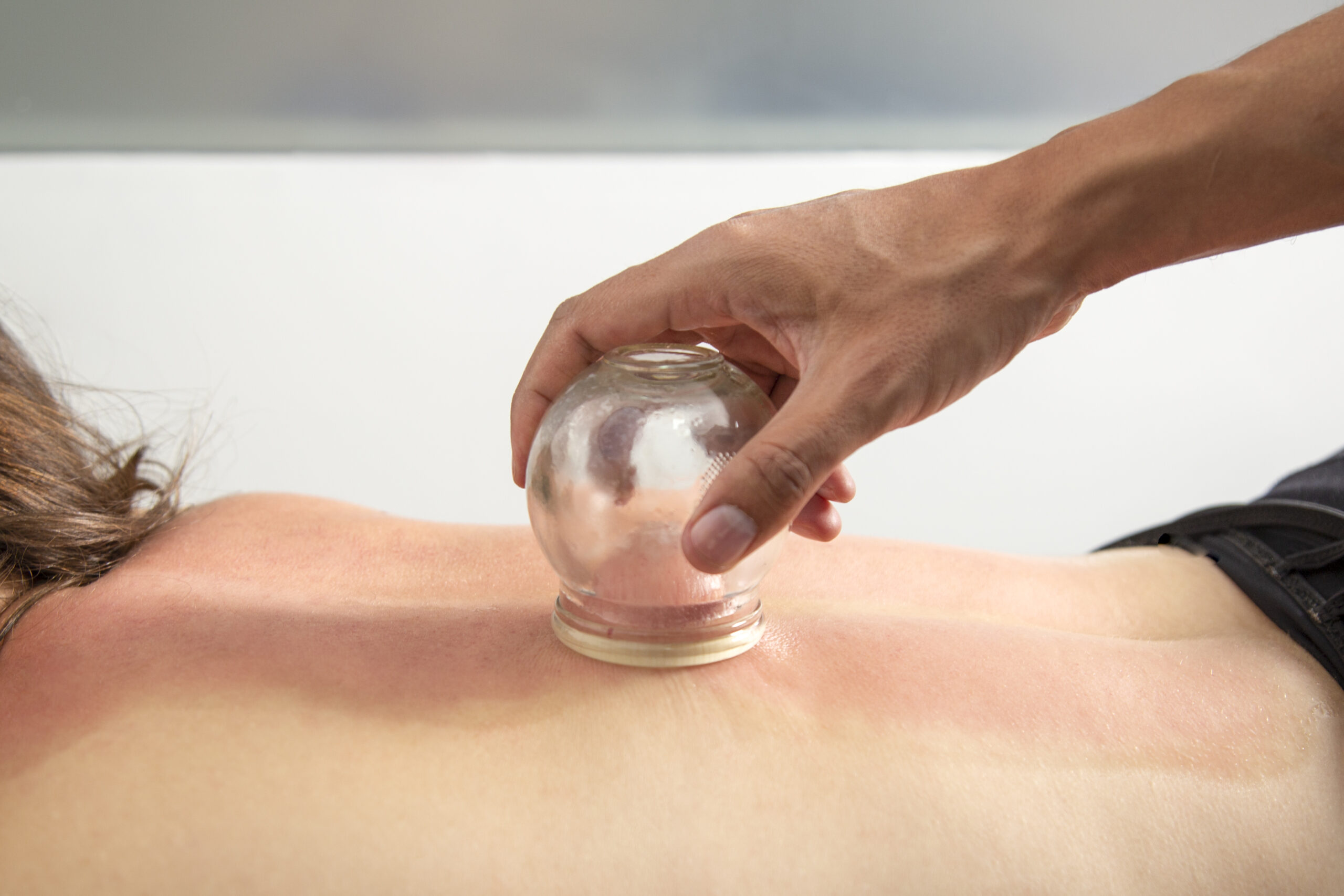
Cupping therapy uses suction applied to the skin with specialized cups. In physical therapy, it may be used as one part of a broader rehabilitation plan when muscle tightness, movement limitations, or soft-tissue discomfort are affecting function.
At Elite Physical Therapy and Performance, cupping may be combined with therapeutic exercise, mobility work, strengthening, or other treatment techniques depending on the patient’s needs and goals.
Types of Cupping Therapy Used at Elite
Elite may use different cupping techniques depending on the treatment area, symptoms, and overall rehabilitation plan.
Dynamic Electrical Stimulation Cupping
Dynamic electrical stimulation cupping combines suction with gentle electrical stimulation through a specialized device. This approach may be used when the physical therapist determines that both cupping and electrical stimulation are appropriate for the treatment plan.
Manual Cupping Therapy
Manual cupping uses hand-operated cups to create localized suction over selected areas of soft tissue. The cups may remain in place for a period of time based on the treatment goals and patient response.
Manual Moving Cupping
Moving cupping involves gently gliding a suction cup across the skin using lotion or another appropriate medium. This allows the therapist to work across a broader treatment area rather than keeping the cup in one fixed location.

The Achedaway Cupper at Elite Physical Therapy
Elite also uses the Achedaway Cupper for dynamic cupping treatment.
The device combines adjustable suction with additional settings that may include electrical stimulation, red light, massage, and pulsation features. These settings allow the physical therapist to adjust treatment based on the area being addressed, the patient’s tolerance, and the goals of the session.
Achedaway Cupper Features
- Adjustable suction for different treatment areas and patient tolerance
- Electrical stimulation that may be added when appropriate
- Red light functionality built into the device
- Massage and pulsation modes that provide different treatment settings
- Programmable controls that allow the therapist to adjust the treatment session
The Achedaway Cupper is not used the same way for every patient. Your physical therapist can determine whether dynamic cupping is appropriate and how it fits into your broader rehabilitation plan.
When May Cupping Therapy Be Considered?
Cupping may be considered when muscle tightness, soft-tissue restrictions, or movement limitations are contributing to discomfort or affecting rehabilitation progress.
It may be incorporated into treatment for concerns such as:
- Muscle tightness or soreness
- Restricted movement
- Activity-related muscle tension
- Sports or exercise-related muscle complaints
- Soft-tissue limitations during rehabilitation
Cupping is typically used alongside other physical therapy treatments rather than as a stand-alone solution.

What to Expect During Cupping Treatment
During treatment, your physical therapist places or moves cups over selected areas based on the examination and treatment plan.
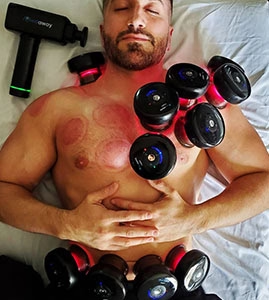
Patients commonly feel pressure or pulling from the suction. Temporary redness or circular marks may appear after treatment and can vary depending on the technique, suction level, treatment duration, and individual response.
Your therapist can explain which cupping method is being used, why it is being included, and how it fits into the rest of your physical therapy plan.

What is Manual Moving Cupping?
Manual moving cupping is a form of cupping therapy in which a suction cup is gently moved across the skin rather than remaining in one fixed position.
A small amount of lotion or another appropriate medium may be applied so the cup can glide over a broader treatment area while maintaining suction. This allows the physical therapist to address areas of muscle tightness, soft-tissue restriction, or movement limitation based on the patient’s symptoms and treatment goals.
Manual moving cupping may be incorporated into treatment for concerns such as:
- Delayed onset muscle soreness (DOMS) after exercise or training
- Postural muscle tightness related to prolonged sitting, standing, or repetitive activity
- Chronic muscle tightness in areas such as the back, shoulders, hamstrings, or IT band region
- Soft-tissue or fascial restrictions that may be contributing to limited movement
- Swelling or fluid-related concerns when the physical therapist determines cupping may be appropriate as part of the broader plan of care
Moving cupping may also be used alongside mobility work, stretching, therapeutic exercise, strengthening, or other physical therapy treatments depending on the patient’s needs.
Patients typically feel a pulling or gliding sensation during treatment. The amount of suction and the area treated can be adjusted based on comfort and response.
Want to learn more about how cupping is used in physical therapy?
Frequently Asked Questions about Cupping Therapy
What types of cupping therapy do you offer?
At Elite Physical Therapy, we offer three types of cupping: manual cupping (stationary suction therapy), manual moving cupping (cups glided over the skin), and dynamic electrical stimulation cupping using the Achedaway Cupper. Each technique is tailored to your condition and therapy goals.
What is manual cupping therapy used for?
Manual cupping involves applying hand-controlled suction to a fixed area to increase circulation, reduce muscle tension, and support healing. It’s especially helpful for treating chronic tightness in areas like the neck, shoulders, and lower back.
How is manual moving cupping different from regular cupping?
Manual cupping involves applying hand-controlled suction to a fixed area to increase circulation, reduce muscle tension, and support healing. It’s especially helpful for treating chronic tightness in areas like the neck, shoulders, and lower back.
What is dynamic electrical stimulation cupping?
This modern technique uses the Achedaway Cupper, a smart cupping device that combines adjustable suction, red light therapy, and electrical stimulation. It activates muscle tissue, reduces inflammation, and supports faster recovery with programmable, comfortable settings.
Will cupping leave marks or cause bruising?
Cupping may leave circular red or purple marks where suction was applied. These are not bruises and typically fade within 3–7 days. They’re a normal part of the healing response and are painless for most patients.